After relocating, many people forget that weather patterns may be very different from where they previously lived.
Preparing your home for seasonal changes helps prevent damage, reduces unexpected repairs, and keeps your home comfortable year-round.
Taking time to understand how weather affects homes in your new area is an important part of settling in.
If you haven’t connected with a local real estate agent yet, this is usually the stage where many movers find it helpful to do so.
Learn the Seasonal Patterns in Your Area
Start by researching what your new city typically experiences throughout the year.
This may include:
- Heavy rain or flooding seasons
- Extreme summer heat
- Snow and freezing temperatures
- Hurricanes or strong storms
- Dry seasons that affect landscaping
This connects to learning how your new city operates day to day.
Prepare for Cold Weather if Applicable
In colder climates, homes often require:
- Pipe insulation to prevent freezing
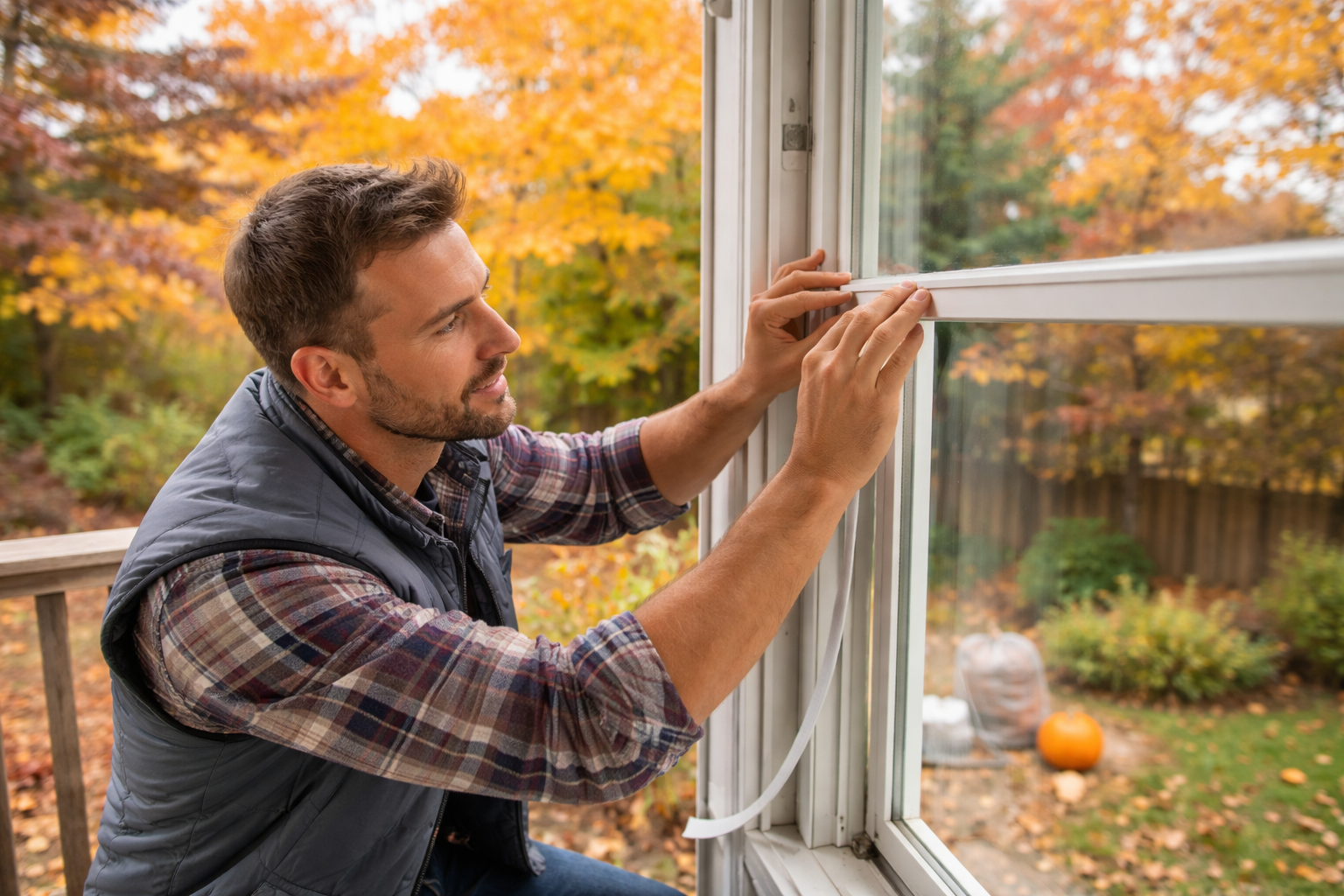
- Sealing windows and doors for drafts
- Checking heating systems before winter
- Protecting outdoor faucets
These steps prevent costly damage during freezing temperatures.
Prepare for Extreme Heat if Applicable
In warmer climates, focus on:
- Air conditioning maintenance
- Checking attic ventilation
- Inspecting weather stripping
- Monitoring outdoor landscaping and irrigation
These steps keep your home energy efficient and comfortable.
Understand Storm and Severe Weather Preparation
Some areas require additional preparation for storms or severe weather.
This may include:
- Securing outdoor furniture
- Trimming nearby trees
- Checking roof and gutter condition
- Knowing where to find local weather alerts
Adjust Lawn and Landscaping Care by Season
Seasonal changes often affect how lawns and plants are maintained.
Learning this early prevents overwatering, plant damage, or unnecessary expenses.
This fits naturally into managing your home after relocating.
Some seasonal preparation tasks may require professional help, especially if you’re unfamiliar with local conditions.
You can also explore trusted service options for utilities, moving equipment, storage, and other relocation needs inside our Preferred Partners Directory.
Create a Simple Seasonal Checklist
Write down what needs to be checked at the start of each season.
This mirrors how you used checklists throughout your relocation process.
Use Trusted Consumer Resources While Planning
For additional consumer guidance during relocation planning, you can review resources from the Consumer Financial Protection Bureau.
Final Thoughts
Preparing your home for seasonal weather helps prevent damage and keeps your living space comfortable throughout the year.
A little awareness early goes a long way toward protecting your home in a new climate.
If you haven’t spoken with a local agent yet, this can be a helpful time to connect with someone familiar with the area you’re considering.