
elocating with pets requires more than packing food bowls and leashes.
Pets experience a move very differently than people, and changes in environment, routine, and surroundings can create stress if not handled thoughtfully.
With a little preparation, you can help your pets feel safe and comfortable as they adjust to a new home.
If you haven’t connected with a local real estate agent yet, this is usually the stage where many movers find it helpful to do so.
Prepare Pets Before Moving Day
In the weeks leading up to the move, begin preparing your pet for change.
Helpful steps include:
- Keeping feeding and walking routines consistent
- Introducing travel crates or carriers early
- Updating ID tags and microchip information
- Scheduling any needed vet visits
This reduces anxiety before the move even begins.
Transport Pets Safely During the Move
Moving day can be overwhelming for animals.
Consider:
- Keeping pets in a quiet, secure room
- Using carriers during transport
- Avoiding exposure to loud noises and heavy foot traffic
If possible, transport pets separately from movers to minimize stress.
Set Up a Familiar Space Immediately
Once you arrive, create a designated area for your pet right away.
Include:
- Familiar bedding
- Toys
- Food and water bowls
- Items that smell like home
This gives pets a safe place while the rest of the home is being set up.
This builds on how you handled the first days after arriving.
Establish Routines Quickly
Pets rely heavily on routine to feel secure.
Try to maintain:
- Regular feeding times
- Consistent walks or outdoor breaks
- Playtime and rest schedules
This mirrors how routines help people settle in after relocating.
Find a Local Veterinarian and Pet Services
Locate a nearby veterinarian, groomer, and emergency clinic soon after moving.
This gives you peace of mind if issues arise.
This connects to finding healthcare providers in a new city.
Help Pets Get Familiar With the New Area
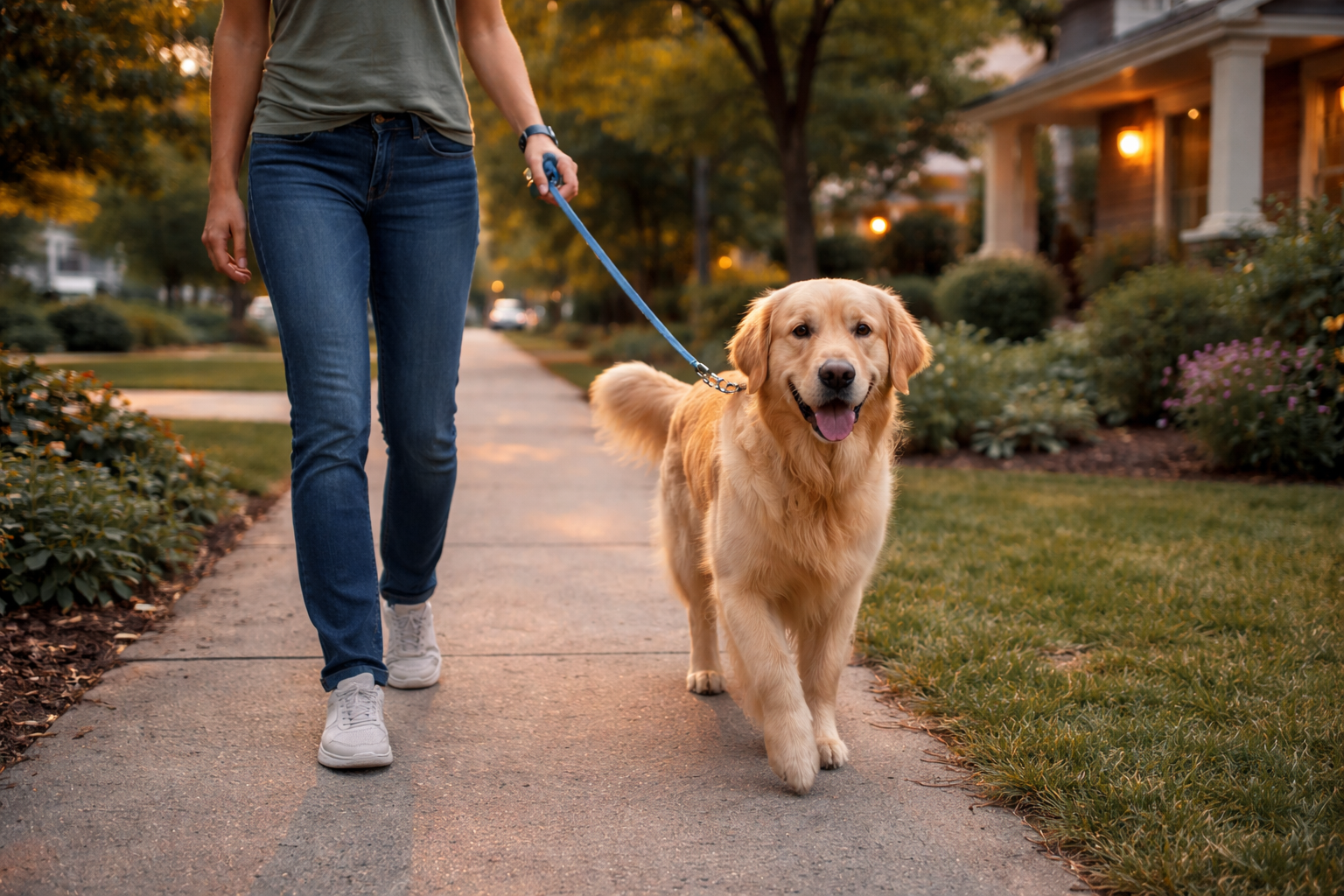
Slowly introduce pets to their new surroundings.
Take short walks, explore nearby areas, and allow them time to adjust.
This builds on learning your new neighborhood after moving.
Register Pets and Follow Local Requirements
Some cities require pet registration, licensing, or proof of vaccinations.
Handling this early prevents issues later.
Use Trusted Consumer Resources While Planning
For additional consumer guidance during relocation planning, you can review resources from the Consumer Financial Protection Bureau.
Final Thoughts
Pets need time, patience, and familiarity to adjust to a new home.
By maintaining routines, creating safe spaces, and introducing the new environment gradually, you can help your pets settle in comfortably after relocating.
If you haven’t spoken with a local agent yet, this can be a helpful time to connect with someone familiar with the area you’re considering.