Relocating to a new city is exciting—but it can also be risky if you don’t do the right research first. Many people choose homes, neighborhoods, and even Realtors before fully understanding the area they’re moving into.
The more you learn before you move, the easier every decision becomes.
If you haven’t connected with a local real estate agent yet, this is usually the stage where many movers find it helpful to do so.
Here’s how to research a new city the smart way.
Related Guides
- How to Evaluate Neighborhoods in a New City Before You Move
- How to Compare Cost of Living Between Cities Before You Relocate
- How to Decide if a New City Fits Your Work and Lifestyle
- How to Shortlist Neighborhoods Before You Visit
- How to Evaluate a City Before You Move (Complete Checklist)
Start With Neighborhood Research
Every city has areas that fit different lifestyles. Before looking at homes, learn about:
- Crime rates
- School districts
- Walkability
- Local amenities
- Property taxes
- HOA communities
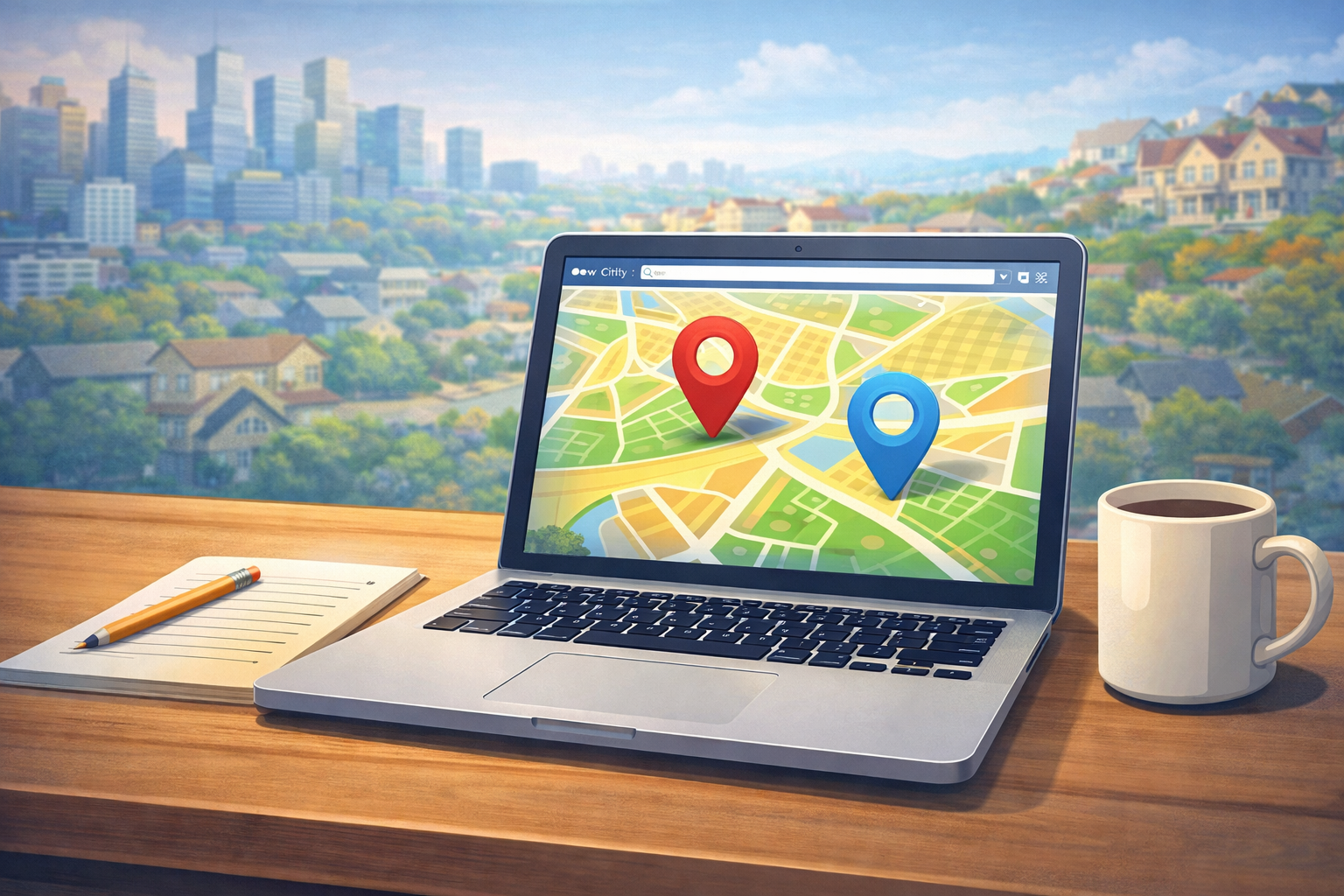
Google Maps, local forums, and city websites can reveal a lot, but nothing replaces guidance from a local expert.
This is typically the point in the process where many movers choose to connect with a local agent who understands relocation.
How to Choose the Right Real Estate Agent When Relocating
Understand Commute and Traffic Patterns
A home that looks perfect online may be frustrating if:
- Traffic is heavy during rush hour
- Public transportation is limited
- Major highways are far away
Use Google Maps during peak hours to simulate real commute times.
Compare Cost of Living
Look beyond home prices. Research:
- Utility costs
- Insurance rates
- Property taxes
- Groceries and gas prices
- State income tax differences
If you’re unsure whether to rent or buy in the new area, this can help guide your decision.
Renting vs. Buying When Relocating
Learn the Local Housing Market
Is it a buyer’s market or seller’s market?
Are homes selling above asking?
How long are homes staying listed?
These answers affect your strategy and timeline.
How to Plan Your Relocation Timeline
Explore Schools, Healthcare, and Services
Even if you don’t have children, school districts influence property values. Also research:
- Nearby hospitals and clinics
- Grocery stores
- Parks and recreation
- Internet service availability
These factors impact daily life more than you expect.
Use a Local Realtor as a Research Partner
The fastest way to understand a new city is by speaking with someone who works there every day.
A relocation-experienced Realtor can:
- Recommend neighborhoods that match your goals
- Explain local market trends
- Provide virtual tours
- Help you avoid costly mistakes
Helpful External Resource
For reliable consumer information when relocating, visit the Consumer Financial Protection Bureau:
Final Thoughts
Research is the foundation of a successful relocation. The more you understand your new city before you move, the more confident you’ll feel when choosing a home and a Realtor.
If you haven’t spoken with a local agent yet, this can be a helpful time to connect with someone familiar with the area you’re considering.